
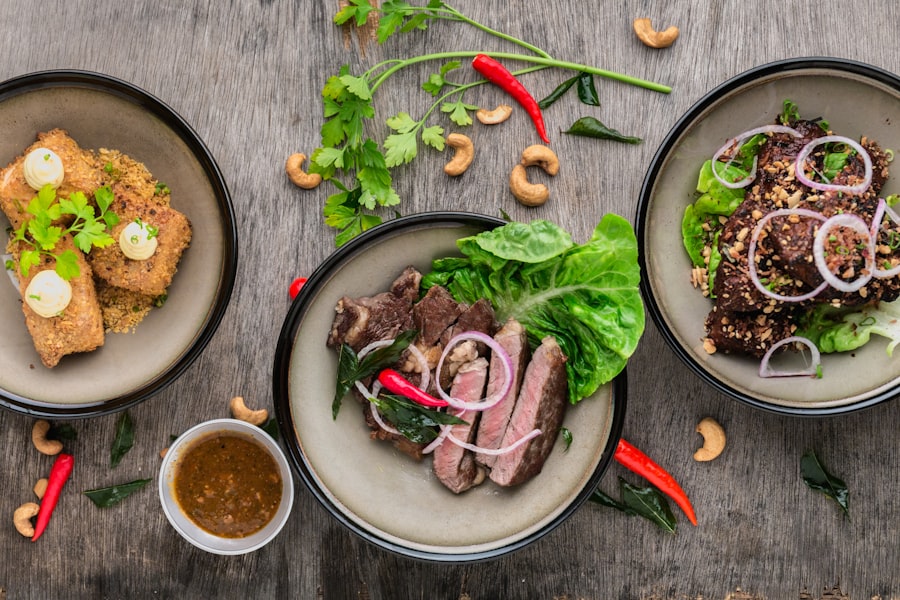
Crowdfunding gifts feel personal—and they should. On FoodHatch, a $25 pledge might cover a weekend backpack kit or a share of cold-storage electricity for a pantry that serves an entire zip code. Organizers across the United States have learned that stretching those dollars is not about cutting corners on nutrition or dignity. It is about smarter purchasing, clearer menus, and partnerships that turn one gift into more meals on American tables.
Below are five practices campaign partners share again and again. Use them whether you are launching a cause, advising a school nutrition team, or deciding how to allocate a mid-campaign stretch goal. The goal is simple: more plates, better food, and transparent reporting that keeps donors proud to give again.
1. Buy bulk staples with a rotating fresh plan
Dry beans, rice, oats, and shelf-stable proteins deliver the most calories and fiber per dollar when bought in bulk through co-ops or restaurant suppliers. Pair that backbone with a smaller rotating budget for fresh produce and dairy so boxes never feel like survival rations alone. FoodHatch campaigns that publish a “staple vs. fresh” split in their budget updates tend to raise more because donors see both efficiency and care.
2. Fund cold storage before fancy branding
A used commercial fridge or freezer can multiply what a pantry can accept from grocery rescue partners. Many campaigns waste money reprinting logos while produce spoils in warm storage. When donors fund insulation, thermometers, and reliable power for cold rooms, every subsequent food gift—donated or purchased—lasts longer and reaches more households.
3. Standardize kits without erasing cultural menus
Standard portion cards speed packing and reduce overbuying, but leave room for culturally familiar staples. A Texas pantry that added masa, beans, and salsa options alongside peanut butter kits saw higher redemption and less waste. Stretching dollars includes respecting what families will actually cook—food that sits untouched is a failed investment.
4. Recruit skills, not only shift volunteers
One grant writer, one logistics lead, or one bilingual intake volunteer can save more money than ten uncoordinated packing shifts. Ask FoodHatch supporters to offer professional hours alongside cash. Campaigns that list “skills needed” next to dollar goals often unlock in-kind help that lowers overhead without starving the food budget.
5. Report cost-per-meal in plain English
Donors stretch further when they understand impact. Publish a simple formula: total food spend divided by meals served, with notes on labor and waste. When a Midwest kitchen showed that cold-storage upgrades dropped spoilage and cut cost-per-meal by eighteen cents, monthly gifts rose. Transparency is a fundraising tool, not just a compliance checkbox.
Stretching every food donation dollar is ultimately about trust. Communities give more when they see kitchens planning carefully, pantries protecting dignity, and campaigns refusing both waste and empty spectacle. Start with one of these five practices, measure the change, and share the results on your next FoodHatch update—neighbors will meet you there.